



Few names in American crime history carry the same eerie weight as Ed Gein. Decades after his crimes were uncovered on a quiet Wisconsin farm, Ed Gein remains one of the most studied and referenced criminals in the country’s history, inspiring everything from horror movie villains to a recent Netflix series. This article walks through who he actually was, what happened on his property in 1957, and why his story continues to fascinate true crime audiences today.
Who Was Ed Gein?
Ed Gein was born in 1906 in Wisconsin and spent most of his life on an isolated farm near the small town of Plainfield. He lived under the intense influence of his mother, Augusta, a domineering and deeply religious woman who shaped much of his worldview and kept him socially isolated from the surrounding community. After his father and brother died, and eventually his mother in 1945, Ed Gein was left almost entirely alone on the property, a solitude that many historians believe accelerated his psychological unraveling.
Neighbors in Plainfield generally described him as odd but harmless, a quiet handyman who occasionally babysat local children and did odd jobs around town. That perception shattered completely in November 1957, when investigators searching for a missing local hardware store owner discovered horrors inside his farmhouse that shocked the entire country and permanently changed how Ed Gein would be remembered.
The Discovery That Shocked Wisconsin
When police arrived at the Gein farm to investigate the disappearance of Bernice Worden, they found her body along with a collection of human remains taken from graves in local cemeteries. Ed Gein later admitted to authorities that he had spent years digging up freshly buried corpses, primarily those of middle-aged women who resembled his mother, and using their remains to create household items and clothing. Investigators also determined he was responsible for the earlier murder of Mary Hogan, a tavern owner who had gone missing three years prior.
Despite popular myths that grew around the case, Ed Gein was ultimately only convicted of two murders. He was found not guilty by reason of insanity in a separate trial years later, a legal outcome that reflected the deep psychological disturbances experts identified during his evaluation. He spent the remainder of his life in psychiatric institutions until his death in 1984, never returning to the public eye in the way his crimes had.
Why Ed Gein Became a Cultural Icon of Horror
What separates Ed Gein from many other criminals of his era is just how deeply his case seeped into popular culture. Robert Bloch, the author who wrote the novel “Psycho,” lived not far from Plainfield and drew loose inspiration from the case for his fictional killer Norman Bates, a character famously brought to the screen by Alfred Hitchcock. That connection alone would have cemented his infamy, but it didn’t stop there.
Filmmakers behind “The Texas Chain Saw Massacre” and “The Silence of the Lambs” also cited elements of the Ed Gein case when shaping their own iconic villains, blending fragments of his real crimes into entirely fictional narratives. Because of this, Ed Gein is sometimes referred to informally as the inspiration behind multiple generations of horror cinema, even though the actual details of his life were often exaggerated or altered dramatically for entertainment purposes.
The Netflix Series and Renewed Interest
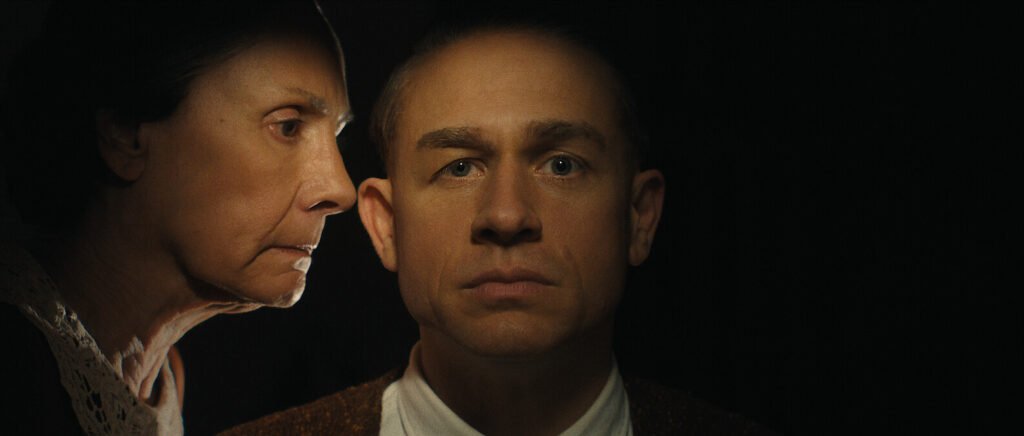
Interest in Ed Gein spiked again in late 2025 following the release of Monster: The Ed Gein Story on Netflix, the third installment in Ryan Murphy and Ian Brennan’s true crime anthology series. The season stars Charlie Hunnam as Ed Gein, alongside Laurie Metcalf as his mother Augusta, and premiered on October 3, 2025. The series performed strongly out of the gate, drawing 12.2 million views in its first three days on the platform.
Reception to the show itself was mixed. Critics generally viewed it as a weaker entry compared to earlier seasons of the anthology, pointing to its excessive graphic content, meandering subplots, and numerous factual inaccuracies. Even so, reviewers noted the series depicts Gein as an unassuming, awkward man living under the controlling watch of his mother, a portrayal meant to humanize the psychological roots of his later crimes. Whatever its flaws, the show reignited widespread curiosity about Ed Gein and pushed a new generation of viewers to look into the real history behind the dramatization.
Separating Fact From Fiction
One of the biggest challenges with any modern retelling of Ed Gein’s story is untangling verified history from decades of embellishment. Popular culture often exaggerates the scale of his crimes, sometimes implying he committed dozens of murders when court records confirm only two. This kind of mythmaking isn’t unique to his case, but it’s particularly pronounced with Ed Gein because his crimes were so unusual that they invited sensationalized retelling almost immediately.
If you’re interested in how true crime stories evolve once they enter mainstream media, it’s worth comparing his case to other infamous figures covered in our true crime archive, where we break down how dramatizations often diverge from documented court records. Readers looking for a more academic breakdown of the case can also consult the which offer broader context on how mid-century law enforcement approached cases involving psychological evaluation and insanity defenses.
Psychological Insights From the Case
Mental health professionals have studied Ed Gein for decades, largely because his case offers a rare and disturbing window into the effects of extreme isolation combined with an overpowering, controlling parental relationship. Many psychological analyses point to his relationship with his mother as the central force behind his later behavior, describing an environment where affection and punishment were deeply intertwined with religious guilt. That dynamic, paired with prolonged loneliness after her death, is often cited as a key factor in his psychological decline.
While Ed Gein himself was diagnosed with schizophrenia during his psychiatric evaluations, experts caution against treating his case as a simple explanation for why someone commits extreme crimes. His story is often used in academic settings specifically because it resists easy categorization, blending isolation, grief, and untreated mental illness into a case study that continues to be referenced in criminology courses today.
Final Thoughts on Ed Gein’s Legacy
Ed Gein’s name endures not because of the scale of his crimes, but because of how deeply they reshaped horror storytelling and public fascination with the darker corners of the human mind. From inspiring some of cinema’s most iconic villains to becoming the subject of a major streaming series nearly seventy years after his arrest, Ed Gein remains a uniquely persistent figure in American true crime history. Understanding the real story behind the myth offers a clearer picture of both the man and the cultural shadow he left behind.
Frequently Asked Questions
How many people did Ed Gein actually kill?
He was convicted of two murders, Bernice Worden and Mary Hogan, though he was also linked to numerous grave robberies from local cemeteries.
What happened to Ed Gein after his arrest?
He was found not guilty by reason of insanity and spent the rest of his life in psychiatric institutions until his death in 1984.
Did Ed Gein inspire Psycho and other horror films?
Yes, elements of his case loosely inspired characters in Psycho, The Texas Chain Saw Massacre, and The Silence of the Lambs, though these portrayals are largely fictionalized.
Is the Netflix series about Ed Gein historically accurate?
Critics noted the series takes significant creative liberties, with several reviewers pointing out factual inaccuracies compared to the documented case.
Why is Ed Gein such a well-known case in criminology?
His case is frequently studied due to the unusual combination of isolation, an intense parental relationship, and untreated mental illness that shaped his crimes.
more related blog
