


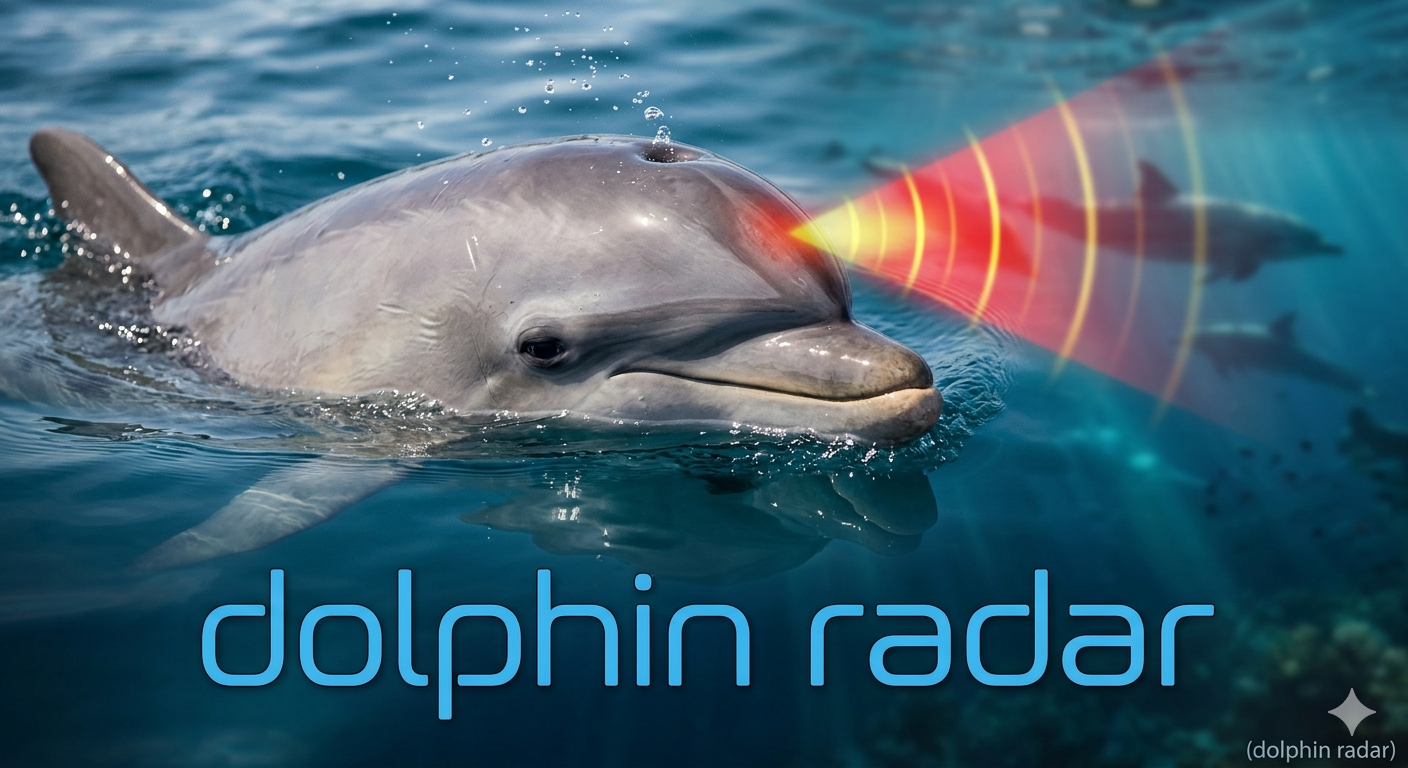
The Core Technology: Biomimicry and Precision
Dolphin radar systems primarily utilize millimeter-wave radar or ultrasonic signals to “see” the world. Much like a dolphin emitting clicks to navigate murky waters, these sensors send out high-frequency radio waves that bounce off objects. By calculating the time it takes for the signal to return and analyzing the frequency shift, the system can determine an object’s distance, speed, and even its material composition with remarkable accuracy.
1. Automotive Safety: The “Dolphin Connect” System
In the automotive industry, Dolphin radar is a key component of Advanced Driver Assistance Systems (ADAS). It acts as an extra set of eyes for the driver, functioning in conditions where human vision might fail, such as heavy rain, thick fog, or complete darkness.
Key Automotive Features:
-
Collision Prevention: The system detects stationary or moving objects and can trigger rear collision warnings.
-
Blind Spot Detection: Sensors monitor areas around the vehicle that are invisible to the driver, significantly reducing side-swipe accidents.
-
Target Discrimination: High-resolution sensors can distinguish between two separate objects—such as a bicycle and a pedestrian—even if they are only 70 centimeters apart.
-
Long-Range Sensing: These systems can detect vehicles up to 120 meters away and pedestrians up to 60 meters away, allowing for safer reaction times at high speeds.
2. Industrial Applications: The Acowa DolpHin Radar
In the industrial sector, the DolpHin – Acowa Radar is a specialized tool used for level measurement in challenging environments. It is frequently found in pumping stations, sewage treatment plants, and reservoirs.
Why Industrial Sectors Choose “DolpHin” Radar:
-
Zero Blanking Zone: Unlike traditional sensors that have a “dead zone” immediately in front of the lens, this radar can measure objects right up to the sensor face.
-
Condensation Resistance: A specialized microchip allows the radar to function accurately even in areas prone to heavy steam, build-up, or condensation, which would typically “blind” other sensors.
-
High Accuracy: It offers a measurement accuracy of +/- 2 mm to 5 mm, eliminating the need for manual, often dangerous, level checks in deep tanks or wells.
-
Rapid Deployment: With a boot time of less than 10 seconds and Bluetooth connectivity, these units are ideal for battery-powered data loggers that need to wake up quickly to check for overflows.
3. The Digital “Dolphin Radar”: Analytics and Social Tracking
Beyond physical sensors, the name has also been adopted by the digital marketing world. Dolphin Radar is a popular Instagram tracking and analytics tool. It provides marketers and creators with deep insights into competitor behavior and audience engagement trends.
Digital Analytics Capabilities:
-
Activity Monitoring: Tracks publicly visible engagement, such as likes and follows, to map out behavioral patterns.
-
Competitor Analysis: Allows agencies to see what is working for other brands in real-time.
-
Informed Strategy: Helps users make data-driven decisions on when to post and how to interact with their specific audience.
The Future of Dolphin Radar
As we move further into 2026, the convergence of AI and radar technology is making these systems even more “intelligent”. Modern marine radars now use the Doppler effect to highlight moving targets in bright colors (often referred to as MotionScope™ in some marine brands), helping boaters avoid collisions with fast-moving vessels or weather cells.
read also : Navigating an Altafiber Outage: Your Comprehensive Survival and Solutions Guide
